
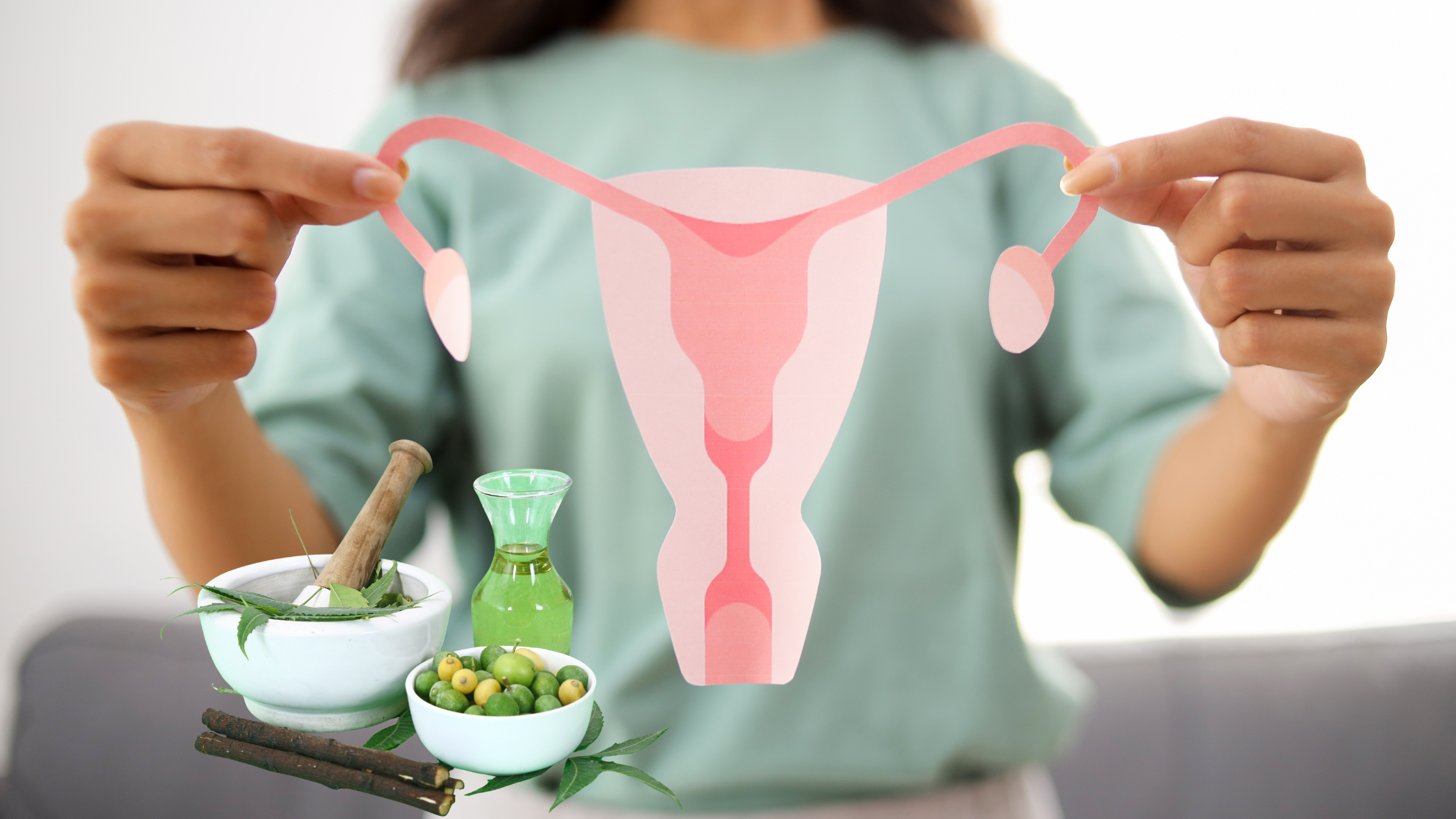
PCOS vs PCOD: Symptoms, Causes & Best Ayurvedic Treatment Explained
Introduction
Did you know that nearly 1 in 5 Indian women of reproductive age is affected by either PCOD or PCOS? These two conditions have quietly become among the most common hormonal disorders in India, yet they remain widely misunderstood. Many women and even some healthcare providers use the terms interchangeably, not realising that PCOS and PCOD are distinct conditions with different causes, severity levels, and treatment needs. Urban India is witnessing a sharp rise in hormonal disorders driven by sedentary lifestyles, processed food, chronic stress, irregular sleep, and environmental toxins. Studies suggest that PCOS prevalence in India ranges from 9.13% to 22.5% depending on the region and diagnostic criteria used. In this comprehensive guide, we explore the real difference between PCOS and PCOD, their causes, symptoms, and how Ayurveda offers a holistic, root-cause approach to managing these conditions naturally.What is PCOD (Polycystic Ovarian Disease)?
PCOD, or Polycystic Ovarian Disease, is a condition where the ovaries produce multiple immature or partially mature eggs that accumulate over time and form cysts. This leads to the ovaries becoming enlarged and producing excess androgens (male hormones), causing disruption in the menstrual cycle.
Common Symptoms of PCOD
- Irregular or delayed menstrual cycles
- Mild weight gain, especially around the abdomen
- Mild acne and oily skin
- Thinning hair or mild hair fall
- Slight increase in facial or body hair
- Mild bloating and discomfort
Risk Factors
- Poor dietary habits (high sugar, refined carbs)
- Lack of physical activity
- Stress and irregular sleep
- Family history of PCOD
PCOD is considered a lifestyle-related condition. With timely dietary and lifestyle changes, many women can manage and even reverse PCOD symptoms significantly.
What is PCOS (Polycystic Ovary Syndrome)?
PCOS is a more serious endocrine disorder that goes beyond ovarian cysts. It involves a complex hormonal imbalance where the body produces excess androgens, disrupting ovulation, insulin metabolism, and overall reproductive health. PCOS is classified as a syndrome because it affects multiple body systems simultaneously.
Key Features of PCOS
- Chronic anovulation (absence of ovulation)
- Elevated androgen levels causing hirsutism and acne
- Insulin resistance leading to weight gain and type 2 diabetes risk
- Metabolic syndrome and cardiovascular risk
- Fertility challenges due to irregular ovulation
- Long-term complications including endometrial cancer risk if untreated
PCOS requires more structured medical and lifestyle intervention. Left unmanaged, it can affect fertility, metabolic health, and psychological wellbeing over the long term.
PCOS vs PCOD: Key Differences at a Glance
| Feature | PCOD | PCOS |
|---|---|---|
| Nature | Lifestyle condition | Endocrine disorder (syndrome) |
| Severity | Mild to moderate | Moderate to severe |
| Hormonal Imbalance | Mild androgen excess | Significant hormonal disruption |
| Insulin Resistance | Rare | Very common |
| Fertility Impact | Manageable with lifestyle | Can significantly impair fertility |
| Ovulation | Irregular but possible | Often absent (anovulation) |
| Long-term Risks | Low if managed early | Diabetes, heart disease, infertility |
| Treatment | Diet and lifestyle focus | Medical + lifestyle intervention |
| Reversibility | Highly reversible | Manageable, not fully reversible |
Common Symptoms of Both PCOS and PCOD
- Irregular or missed periods
- Unexplained weight gain, especially around the waist
- Persistent acne and oily skin
- Excessive hair fall and thinning
- Unwanted facial and body hair growth (hirsutism)
- Mood swings, anxiety, and irritability
- Chronic fatigue and low energy
- Difficulty conceiving
- Dark patches on skin (Acanthosis nigricans) – more common in PCOS
Why Do PCOS and PCOD Happen?
Modern research points to a combination of genetic predisposition and environmental triggers. Here are the most significant contributing factors:
Poor Diet
High sugar intake, refined carbohydrates, processed foods, and trans fats disrupt insulin signalling and hormone production.
Chronic Stress
Elevated cortisol from prolonged stress directly interferes with reproductive hormones and the hypothalamic-pituitary-ovarian (HPO) axis.
Sleep Disturbances
Inadequate sleep disrupts melatonin and cortisol rhythms, worsening hormonal imbalance.
Sedentary Lifestyle
Lack of physical activity promotes insulin resistance and weight gain, both key drivers of PCOS.
Genetic Factors
A family history of PCOS, diabetes, or hormonal disorders significantly increases risk.
Environmental Toxins
Endocrine-disrupting chemicals (EDCs) found in plastics, pesticides, and cosmetics can interfere with hormone balance.
Ayurvedic Perspective on PCOS and PCOD
Ayurveda, India’s ancient system of holistic medicine, does not view PCOS or PCOD as isolated ovarian conditions. Instead, it recognises these as systemic imbalances affecting the entire body-mind continuum.
Dosha Imbalance
In Ayurvedic understanding, PCOS/PCOD primarily involves an imbalance of Kapha and Vata doshas. Excess Kapha leads to the formation of cysts, weight gain, and sluggish metabolism. Aggravated Vata disrupts the natural flow and rhythm of the menstrual cycle.
Agni (Digestive Fire)
Weak Agni leads to incomplete digestion and accumulation of Ama (metabolic toxins) in the body. This Ama blocks the Artava Vaha Srotas (channels of reproductive tissue), disrupting hormonal flow and ovarian function.
Ojas and Reproductive Health
Ojas the vital essence of all tissues is essential for reproductive health, immunity, and hormonal balance. Chronic stress, poor nutrition, and irregular sleep deplete Ojas, making the body more susceptible to hormonal disorders.
Best Ayurvedic Approaches for PCOS and PCOD
Diet Recommendations (Indian Context)
| Food Category | What to Include | What to Avoid |
|---|---|---|
| Grains | Millets, brown rice, oats, barley | White rice, maida, refined flour |
| Vegetables | Leafy greens, bitter gourd, drumstick | Potatoes, yam in excess |
| Fruits | Berries, pomegranate, papaya, amla | Mango, banana, grapes in excess |
| Proteins | Moong dal, chickpeas, tofu | Processed meats, fried snacks |
| Fats | Ghee (in moderation), coconut oil | Trans fats, hydrogenated oils |
| Drinks | Warm water, herbal teas, jeera water | Cold drinks, packaged juices, alcohol |
Ayurvedic Herbs Traditionally Used Shatavari (Asparagus racemosus)
A premier Ayurvedic herb for women’s reproductive health. Supports hormonal balance, nourishes Ojas, and promotes healthy ovarian function.
Ashoka (Saraca asoca)
Traditionally used to regulate menstrual cycles and reduce uterine inflammation.
Lodhra (Symplocos racemosa)
Known for its role in managing ovarian cysts and balancing female hormones.
Triphala
A powerful digestive tonic that reduces Ama, improves metabolism, and supports detoxification.
Turmeric (Haridra)
Anti-inflammatory herb that helps reduce insulin resistance and manage androgen levels.
Abhinavayu’s Nirmaan Tablets for PCOS/PCOD Care are formulated with time-tested Ayurvedic herbs to support hormonal balance, menstrual regularity, and ovarian health naturally. For PMS-related symptoms, Upsham Tablets for PMS Relief offer targeted Ayurvedic support.
Daily Ayurvedic Routine for PCOS and PCOD Management
Morning (6:00 – 8:00 AM)
- Wake before sunrise (Brahma Muhurta) to align with natural circadian rhythm
- Drink 1-2 glasses of warm water with lemon or jeera to stimulate Agni
- Practice 30 minutes of yoga: focus on Supta Baddha Konasana, Bhujangasana, and Butterfly pose
- 10 minutes of Pranayama (Anulom Vilom, Kapalbhati) to balance hormones
- Light, warm breakfast: vegetable upma, moong dal chilla, or oats porridge
Afternoon (12:00 – 2:00 PM)
- Eat your largest meal of the day lunch should be warm and freshly cooked
- Include leafy vegetables, dal, millet roti, and a small portion of ghee
- Take a 10-15 minute walk after lunch to support digestion
- Avoid cold drinks and sugary beverages
Evening (5:00 – 7:00 PM)
- Light snack: roasted seeds, fruit, or herbal tea (Tulsi or Ashwagandha tea)
- 20-30 minutes of walking or light exercise
- Screen detox reduce phone/laptop usage 2 hours before sleep
- Journaling or light reading to calm the nervous system
Night (9:00 – 10:00 PM)
- Light dinner by 7:30 PM avoid heavy, fried, or cold foods
- Take prescribed Ayurvedic medicines as directed
- Warm milk with a pinch of turmeric and ashwagandha powder
- Sleep by 10:00 PM to support hormonal restoration during deep sleep
Can PCOS and PCOD Affect Fertility?
Yes, both PCOS and PCOD can affect a woman’s ability to conceive, though PCOS has a more significant impact. PCOS often causes anovulation (no egg release), making natural conception difficult without medical support. PCOD, being milder, allows for irregular ovulation, and many women with PCOD conceive naturally with lifestyle corrections.
Ayurvedic approaches focus on restoring ovulatory function through hormonal balance, stress reduction, and improved nutritional status. Several clinical studies on herbs like Shatavari and Lodhra have shown promising results in supporting reproductive health in women with hormonal imbalances.
Common Mistakes to Avoid
- Ignoring symptoms and delaying consultation early intervention makes a significant difference
- Following crash diets that deprive the body of essential nutrients
- Skipping exercise due to fatigue – even 20 minutes of walking daily helps
- Self-medicating with hormonal pills without proper guidance
- Neglecting mental health – stress is a major hormonal disruptor
When Should You Consult a Doctor?
Consult a qualified healthcare provider – Ayurvedic or allopathic – if you experience any of the following:
- Periods missing for more than 3 consecutive months
- Difficulty conceiving for over 12 months of trying
- Sudden severe weight gain or unexplained hair loss
- Persistent acne unresponsive to topical treatments
- Signs of insulin resistance – dark patches on skin, cravings, fatigue after meals
Frequently Asked Questions (FAQs)
Ready to Take Control of Your Hormonal Health?
Ayurveda offers a time-tested, holistic path to hormonal wellness. Explore Abhinavayu’s range of Ayurvedic wellness solutions crafted for women’s health. Whether you are managing PCOS, PCOD, or menstrual irregularities, our formulations are rooted in traditional Ayurvedic science and modern quality standards.
® Consult an Ayurvedic Wellness Expert today.